

Container Transport
Container haulage · Port and factory
How does factory stuffing work?
For factory stuffing, a trailer collects an empty container from the line's depot and brings it to your factory. Your cargo is loaded and sealed, and the trailer takes the laden container to the port before the vessel cut-off. Each day the container is held beyond the free days can add detention charges.
We time the empty pickup to your loading date and the laden return to the cut-off, so the container spends as few days as possible away from the line and your cargo makes the sailing.
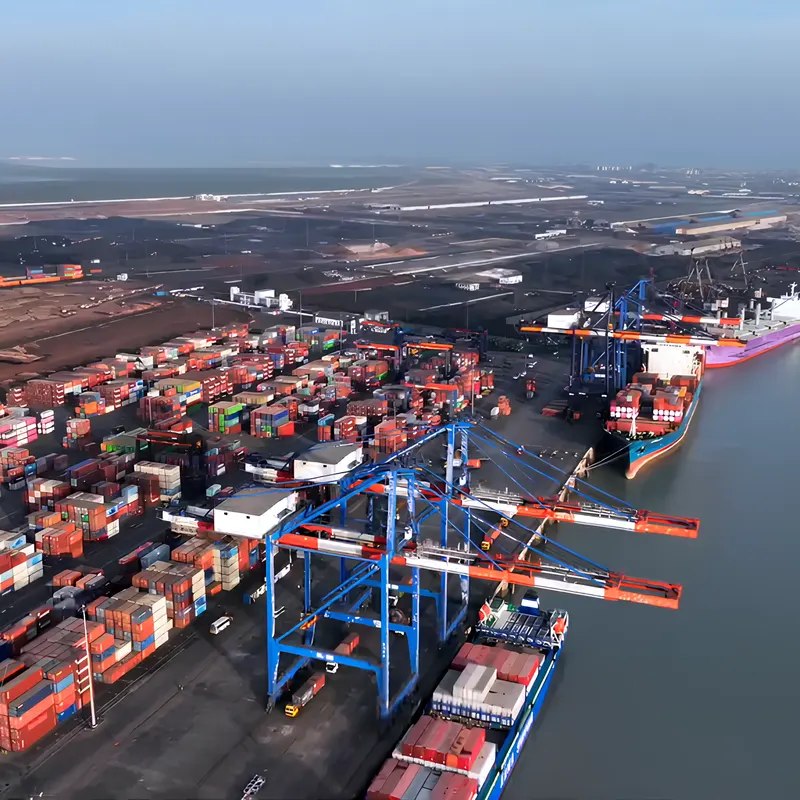
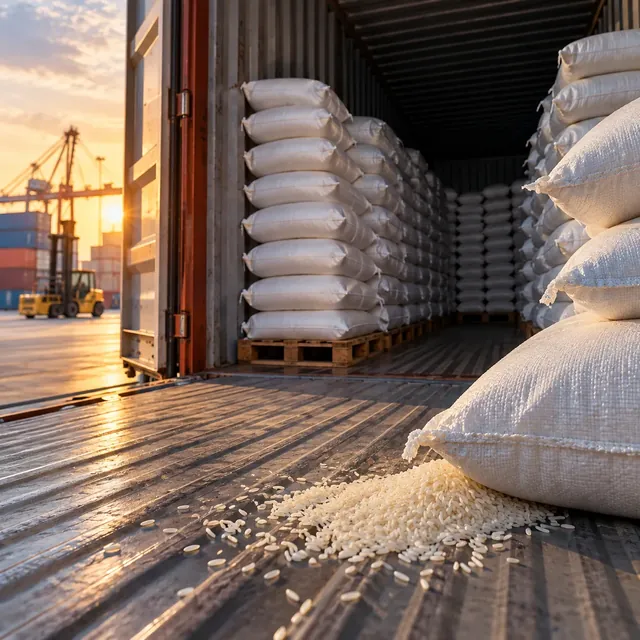
- Moves
- Empty depot → factory → port, and port → consignee for imports
- Containers
- 20ft, 40ft, 40ft high cube, reefer, flat rack, open top
- Watch
- Free days and detention on the container
- Paperwork
- E-way bill, EIR, seal number
What's included
What does container transport include?
Every leg of the container's trip, timed against its free days.
Empty pickup
Empty container collected from the line's depot on the release order.
Factory placement
Container placed at your factory for loading on the planned date.
Sealing
Container sealed after stuffing, with the seal number recorded.
Laden return
Container taken to the terminal before the vessel cut-off.
Import delivery
Laden import container delivered to your door after clearance.
Empty return
Empty returned to the depot within the free days.
Process
How does an export container move?
Four legs, each with its own paperwork. Timing them together keeps detention down.
- Filed and followed by one team
- Attended at the port
- Clearance desk open 24 hours
Export container
-
01
Export container
Release order
Container released by the line against your booking.
-
02
Export container
Empty pickup
Collected from the depot; condition checked on the EIR.
-
03
Export container
At your factory
Placed, loaded and sealed.
-
04
Export container
Weighed
Verified gross mass declared for the vessel.
-
05
Export container
To the terminal
Moved before the cut-off with the e-way bill.
-
06
Export container
Gate-in
Received at the terminal for loading.
Import container
-
01
Import container
Out-of-charge
Customs clearance completed.
-
02
Import container
Delivery order
Released by the line on payment of charges.
-
03
Import container
Pickup from terminal
Laden container collected from the port or CFS.
-
04
Import container
Delivery
Taken to your factory or warehouse.
-
05
Import container
Destuffing
Unloaded by your team.
-
06
Import container
Empty return
Returned to the depot within the free days.
Documents
What documents does container transport need?
The line, the terminal and the road each check their own document.
Not sure what you have? Send photos of your documents on WhatsApp for a first check.
Send on WhatsApp| Document | Export | Import | Notes |
|---|---|---|---|
| Booking or release order | Required | — | Releases the empty from the depot |
| Delivery order | — | Required | Releases the laden import container |
| E-way bill | Required | Required | For the road movement |
| Equipment interchange receipt (EIR) | Required | Required | Records the container's condition at hand-over |
| Seal number | Required | Required | Checked at the terminal gate |
| VGM declaration | Required | — | Verified gross mass before gate-in |
| Shipping bill or out-of-charge | Required | Required | Shows customs has cleared the container |
Requirements change with the commodity and the rules in force, so we confirm the list for your consignment with every quote.
Quote
Get a quote for Container Transport
Rates and the document list for your consignment, back within 24 hours.
- A team at the port, in Gandhidham
- Clearance desk open 24 hours
- Document list with every quote
Container sizes
Which container size do you need?
Approximate internal sizes. Heavy cargo is limited by weight before it fills the space.
| Container | Internal size (L × W × H) | Volume | Best for |
|---|---|---|---|
| 20ft standard | About 5.9 × 2.35 × 2.39 m | About 33 CBM | Heavy, dense cargo: tiles, steel, rice |
| 40ft standard | About 12.0 × 2.35 × 2.39 m | About 67 CBM | Volume cargo: cartons, textiles |
| 40ft high cube | About 12.0 × 2.35 × 2.69 m | About 76 CBM | Light, bulky cargo that needs height |
| Reefer | Slightly smaller than standard | 20ft or 40ft | Temperature-controlled cargo |
| Flat rack / open top | No sides or no roof | Varies | Oversize machinery and project cargo |
Sizes vary slightly by manufacturer and line; maximum payload also depends on road weight limits.
Ports
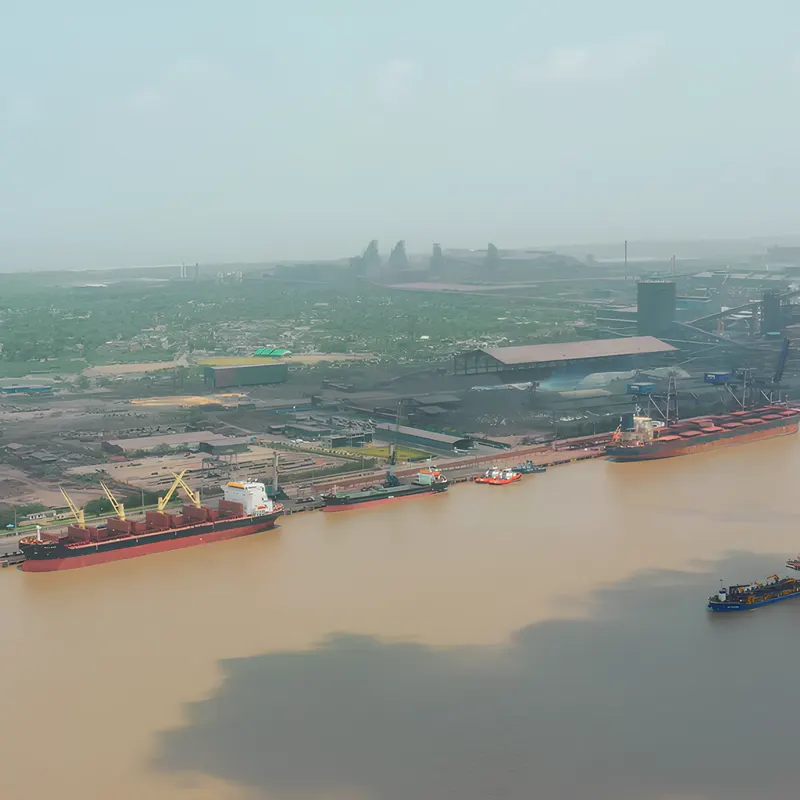
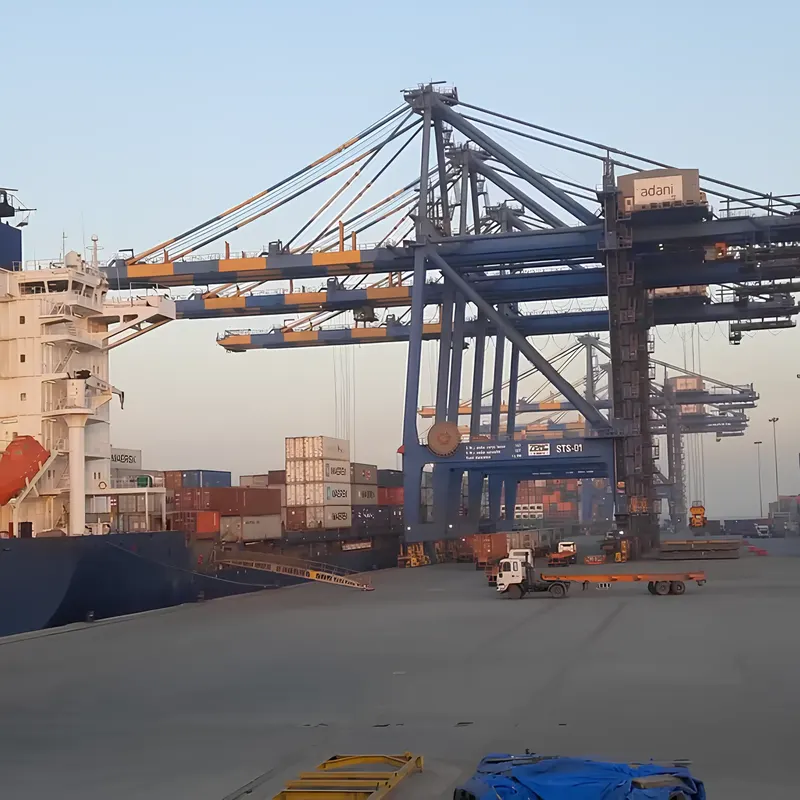
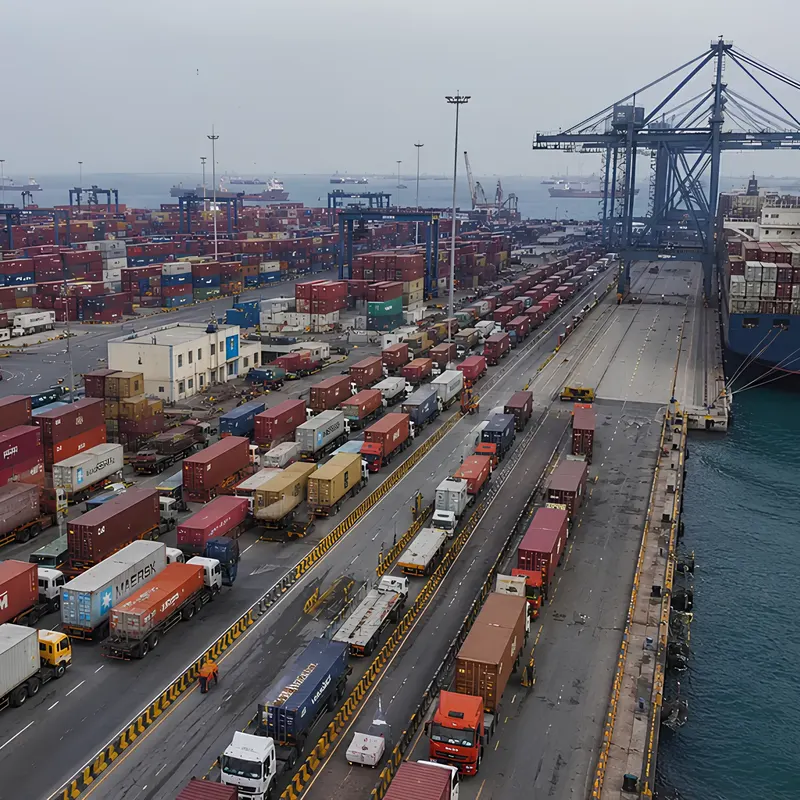
Which ports do our trailers serve?
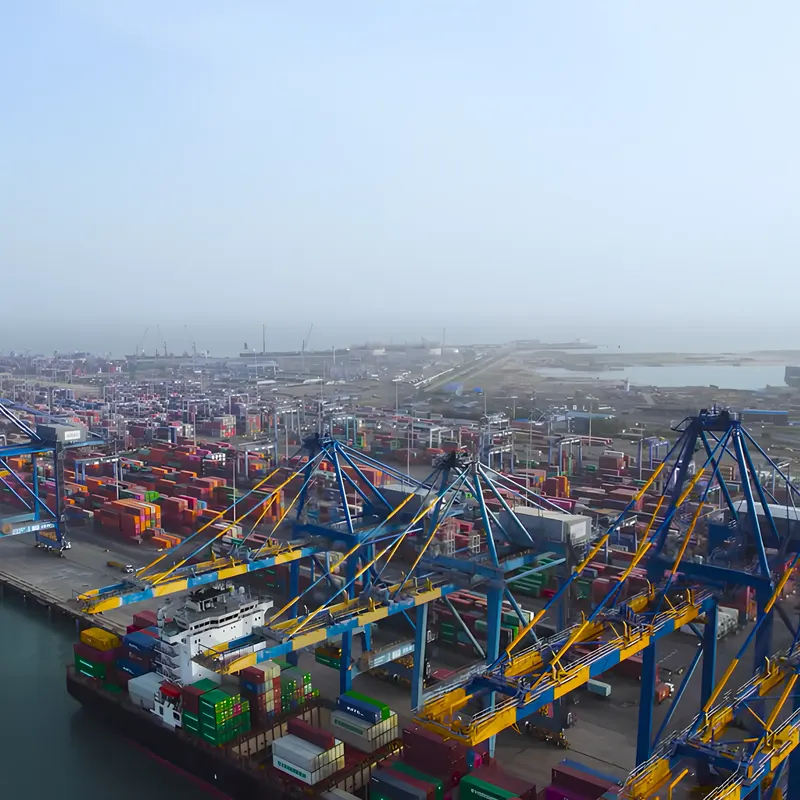
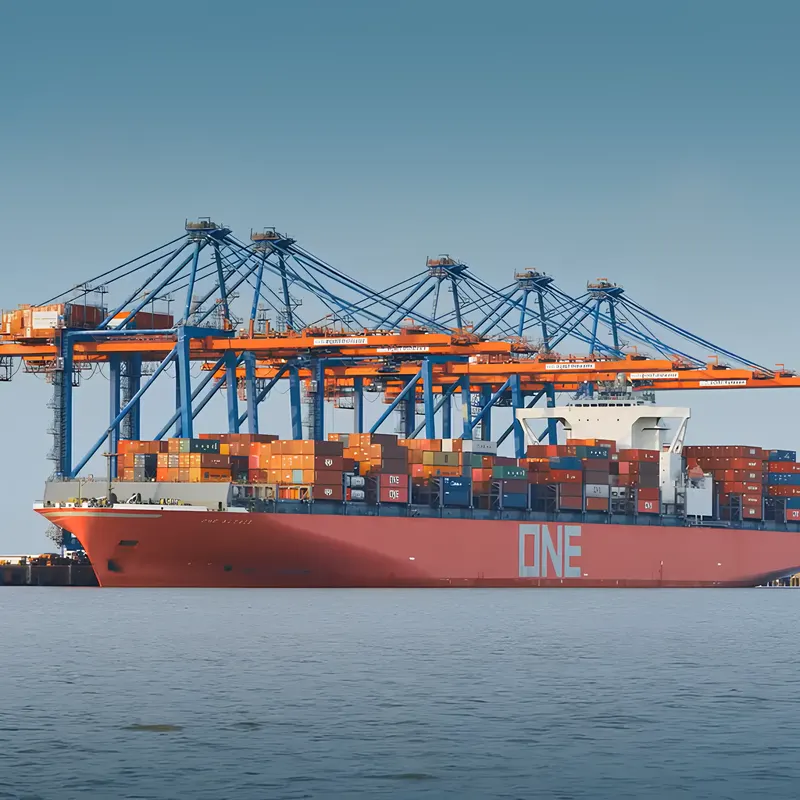
All six ports, the empty depots around them and the five ICDs.
Industries
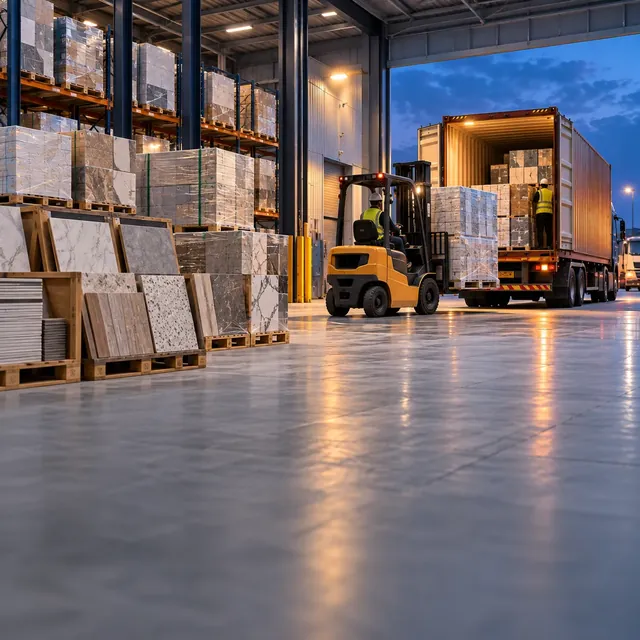
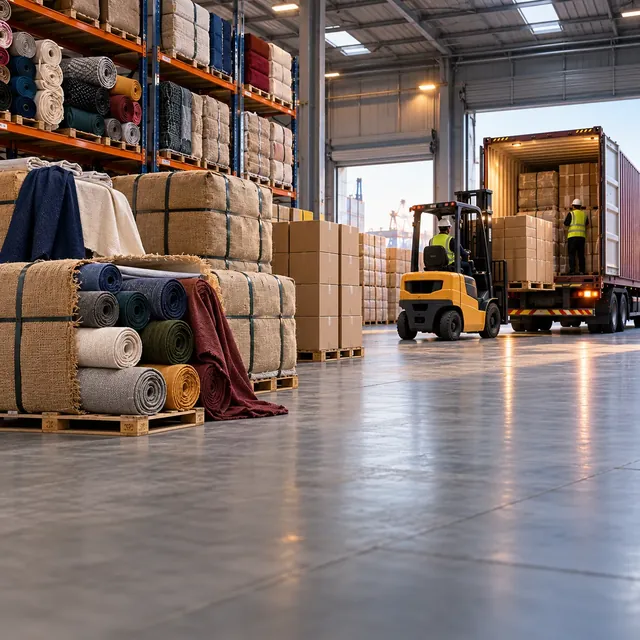
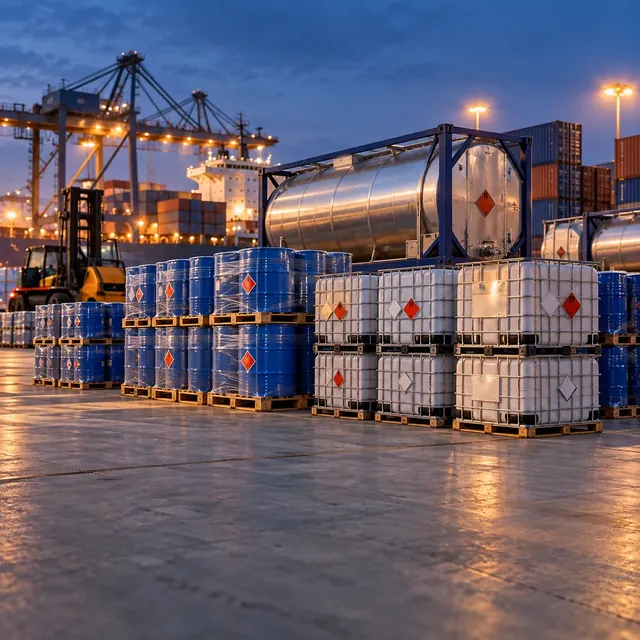
Which cargo do we haul in containers?
Factory-stuffed exports from across Gujarat.
Related services
What is usually booked with container transport?
What is factory stuffing?
Factory stuffing means the empty container comes to your factory, is loaded there and sealed, then goes to the port. It saves handling at a CFS and suits full containers. The alternative is taking loose cargo to a CFS and stuffing it there.
What are container detention charges?
Shipping lines give a number of free days to use a container. If it is kept longer, for export loading or import unloading, the line charges detention per day. Timing the pickup and return closely is the simplest way to avoid it.
What is an EIR?
An equipment interchange receipt records the container's condition when it changes hands, at the depot, the factory or the terminal. It protects you from being charged for damage the container already had, so it is checked at every hand-over.
Which container size should I book?
Heavy, dense cargo such as tiles or steel usually fills a 20ft container by weight before it fills it by volume. Light, bulky cargo suits a 40ft or 40ft high cube. Tell us the weight and volume and we will recommend the size.
Can one trailer carry two 20ft containers?
Yes, a 40ft trailer can carry two 20ft containers if the combined weight is within road limits. For heavy cargo such as tiles, each 20ft container usually needs its own trailer.
Do you handle import container delivery too?
Yes. After customs clearance and the delivery order, we collect the laden container from the port or CFS, deliver it to your door and return the empty to the depot within the free days.
Who pays for the empty container to reach the factory?
The haulage of the empty to your factory and of the laden container to the port is usually part of the exporter's inland cost, quoted by us alongside the freight. We show it as a separate line so you can compare it with CFS stuffing.