

Warehousing & CFS
Ambaji Warehouse / CFS · Mundra
What is the difference between a bonded and a non-bonded warehouse?
A bonded warehouse stores imported goods before customs duty is paid, under customs control. A non-bonded warehouse stores goods that are duty-paid or domestic. Our storage at Ambaji Warehouse / CFS, Mundra is non-bonded: it suits cleared imports waiting for delivery and export cargo waiting to be stuffed or shipped.
Storage near the port gives you room between the port and the buyer: cargo can leave the terminal before free days run out, be stored, sorted or repacked, and be delivered when the buyer is ready. Because we also clear the cargo, it can move from the terminal to the warehouse the day it is released.
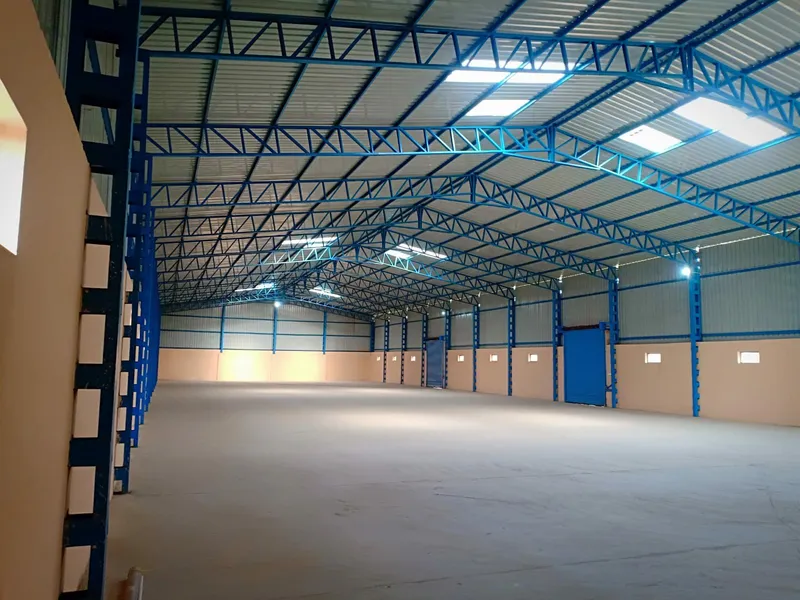
- Facility
- Ambaji Warehouse / CFS, Mundra
- Type
- Non-bonded (duty-paid and export cargo)
- Handling
- Stuffing, destuffing, sorting, repacking, labelling
- Port
- Mundra (INMUN1)
What's included
What does warehousing and CFS handling include?
Storage, container handling and the paperwork that goes with it.
Covered storage
Covered, non-bonded storage for duty-paid imports and export cargo.
Destuffing
Imported containers unpacked and the cargo stored or delivered.
Stuffing
Export cargo loaded into containers and sealed for the port.
Sorting and labelling
Lots sorted, repacked and labelled for different buyers.
Stock records
Inward and outward records for every lot stored.
Delivery
Cargo delivered by road when the buyer is ready.
Process
How does cargo move through the warehouse?
Moving cargo out of the terminal early is what stops port storage charges building up.
- Filed and followed by one team
- Attended at the port
- Clearance desk open 24 hours
Import to storage
-
01
Import to storage
Customs cleared
Bill of Entry assessed, duty paid, out-of-charge issued.
-
02
Import to storage
Container to the warehouse
Moved from the terminal or CFS to Ambaji.
-
03
Import to storage
Destuffing and tally
Unpacked, counted and checked for damage.
-
04
Import to storage
Storage
Stored by lot, with inward records.
-
05
Import to storage
Delivery on call
Released and trucked to the buyer when needed.
Export from storage
-
01
Export from storage
Cargo received
Delivered from the factory and recorded.
-
02
Export from storage
Stored until booking
Held until the vessel booking is confirmed.
-
03
Export from storage
Stuffing
Loaded into the container and sealed.
-
04
Export from storage
Shipping bill filed
Customs filing done by our team.
-
05
Export from storage
To the port
Container moved to Mundra for the sailing.
Documents
What documents are needed to store cargo?
Storage needs proof the cargo is cleared, plus the details to record and release it.
Not sure what you have? Send photos of your documents on WhatsApp for a first check.
Send on WhatsApp| Document | Import cargo | Export cargo | Notes |
|---|---|---|---|
| Out-of-charge or Bill of Entry | Required | — | Shows the imported goods are duty-paid |
| Invoice and packing list | Required | Required | For the inward tally |
| E-way bill | Required | Required | For road movement to and from the warehouse |
| Storage instruction | Required | Required | Period, handling and release instructions |
| Delivery order | Required | — | Releases the container from the terminal |
| Shipping bill | — | Before stuffing | Filed by us on ICEGATE |
Requirements change with the commodity and the rules in force, so we confirm the list for your consignment with every quote.
Quote
Get a quote for Warehousing & CFS
Rates and the document list for your consignment, back within 24 hours.
- A team at the port, in Gandhidham
- Clearance desk open 24 hours
- Document list with every quote
Bonded or non-bonded
Which kind of warehouse do you need?
It depends on whether duty has been paid, and when you want to pay it.
| Bonded warehouse | Non-bonded warehouse (Ambaji) | |
|---|---|---|
| Duty | Deferred until goods are removed | Already paid, or not applicable |
| Customs control | Under customs supervision | No customs control after clearance |
| Suits | Imports held before sale or re-export | Cleared imports and export cargo |
| Paperwork | Warehousing Bill of Entry and bond | Normal commercial records |
If your cargo needs bonded storage, tell us with the enquiry and we will advise on the options.
Ports
Which port does the warehouse serve?
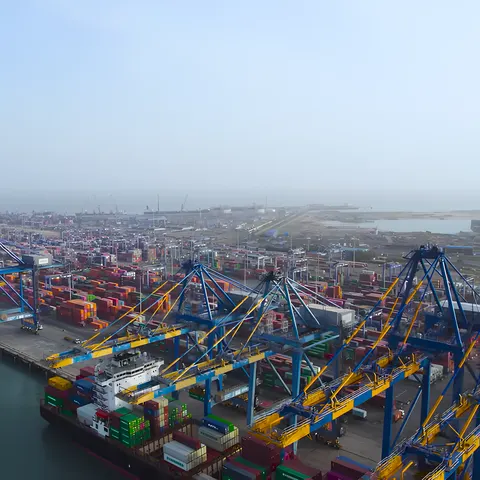
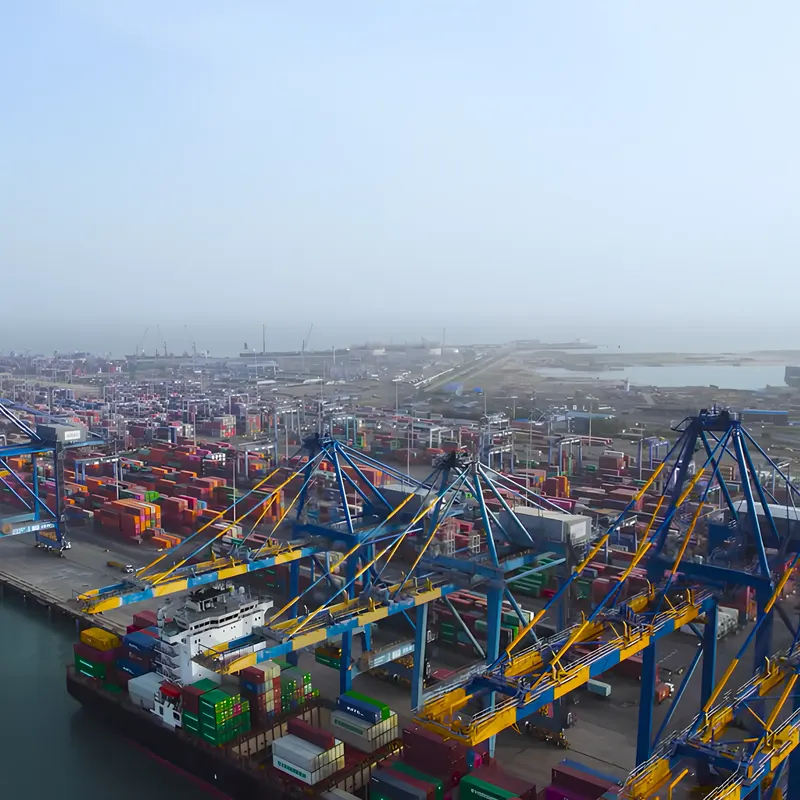
Ambaji Warehouse / CFS is in Mundra, close to the port gates.
Industries
Which cargo do we store?
Palletised, bagged and cartoned cargo on its way in or out of Mundra.




Related services
What is usually booked with warehousing?
Is your warehouse bonded?
No. Ambaji Warehouse / CFS in Mundra is non-bonded, so it stores duty-paid imports and export cargo. If your goods need to be stored before duty is paid, you need a bonded warehouse; tell us and we will advise on the options.
What is a CFS?
A container freight station (CFS) is a facility near the port where containers are stuffed and destuffed, LCL cargo is consolidated, and customs examinations take place. It takes that work out of the congested terminal.
Why store cargo near the port?
Storage near the port lets cargo leave the terminal before its free days end, which avoids port storage and container detention charges. It also gives room to sort, repack or wait for the buyer before delivery.
Can you stuff and destuff containers?
Yes. We destuff imported containers into storage and stuff export cargo into containers, then seal them for the port, with a tally of every lot at each step.
Can cargo be repacked or labelled in the warehouse?
Yes. Cargo can be sorted into lots, repacked where packaging is damaged, and labelled with the buyer's marks before it is delivered or stuffed for export.
Do you handle the customs clearance as well?
Yes. We clear the cargo at Mundra and move it into storage, or file the shipping bill before export stuffing, so one team handles customs, storage and transport.
How long can cargo be stored?
As long as you need, from a few days while a buyer confirms delivery to longer holds for seasonal stock. Storage is charged by space and time, so we quote on the volume, the handling and the expected period, and review it if plans change.
Why not leave cargo at the port until the buyer is ready?
Ports and CFSs give limited free days, after which storage and the shipping line's container detention charges build up daily. Moving the cargo to a warehouse and returning the empty container usually costs less than leaving it at the terminal.