

Freight Forwarding & Customs Clearance for Textiles & Apparel
Surat · Ahmedabad · fabrics and garments
How do textile exporters in Surat and Ahmedabad ship?
Textile exporters in Surat and Ahmedabad usually ship fabrics, yarn and garments in 40ft containers, or LCL for smaller orders, through Hazira, Mundra or Nhava Sheva. Textiles are light and bulky, so space is the limit. A certificate of origin often cuts the buyer's duty, and eligible exports can claim incentives on the shipping bill.
Garment buyers work to delivery windows, and a missed sailing can mean a missed season. We book to the buyer's date, clear the shipping bill with the correct incentive claims, and move the cargo from Surat or Ahmedabad to the port that sails soonest.


- Origin
- Surat (synthetics, yarn) and Ahmedabad (cotton, denim)
- Ports
- Hazira, Mundra, Nhava Sheva, plus ICD Ahmedabad
- Container
- 40ft or 40ft high cube: textiles fill space first
- Incentives
- Export incentive schemes claimed on the shipping bill, where eligible
Documents
What documents does a textile export need?
The core set, plus the origin and incentive paperwork that decides what the buyer pays.
Not sure what you have? Send photos of your documents on WhatsApp for a first check.
Send on WhatsApp| Document | Required | Notes |
|---|---|---|
| Commercial invoice | Yes | Fibre content, construction and quantity |
| Packing list | Yes | Cartons or bales, sizes and colours |
| Shipping bill | Yes | Filed by us, with incentive schemes declared |
| IEC, GSTIN and AD code | Yes | Exporter registrations |
| Certificate of origin | Often | Preferential origin can cut the buyer's duty |
| Buyer's compliance documents | Some buyers | Test reports or certifications the buyer requires |
| Heat-treatment mark | Wooden pallets | ISPM-15 for any wooden packing |
Requirements change with the destination, the product and the rules in force, so we confirm the list for your consignment with every quote.
Packing & handling
How should textiles be packed for export?
Moisture, crushing and mixed-up lots are the usual problems.
Cartons and bales
Garments in cartons, fabric in rolls or bales, packed to the buyer's specification.
Moisture protection
Poly-lined cartons and desiccants against condensation on long voyages.
Garments on hangers
Hanging garments can ship in fitted containers when the buyer needs them press-ready.
Marks and labels
Carton marks, sizes and colours matching the packing list, so the buyer can sort on arrival.
Space planning
Cartons stowed to use the full height of a 40ft or high cube container.
Loading photos
Photos of the stuffed container for the buyer and any claim.
Process
How does a garment shipment move to the vessel?
The buyer's delivery window sets the plan. Everything is timed back from the sailing that meets it.
- Documents checked before filing
- Examination attended at the port
- Clearance desk open 24 hours
-
01
Textiles & Apparel
Booking to the buyer's date
Sailing chosen to meet the delivery window.
-
02
Textiles & Apparel
Container or CFS delivery
Factory stuffing for full loads, CFS for LCL.
-
03
Textiles & Apparel
Shipping bill filed
With the export incentive schemes declared.
-
04
Textiles & Apparel
Certificate of origin
Issued for the buyer's duty benefit.
-
05
Textiles & Apparel
To the port
Moved from Surat or Ahmedabad before the cut-off.
-
06
Textiles & Apparel
Let Export Order and sailing
Customs clears it and the container sails.
Quote
Get a quote for Textiles & Apparel cargo
Rates and the document list for your consignment, back within 24 hours.
- A team at the port, in Gandhidham
- Clearance desk open 24 hours
- Document list with every quote
Ports
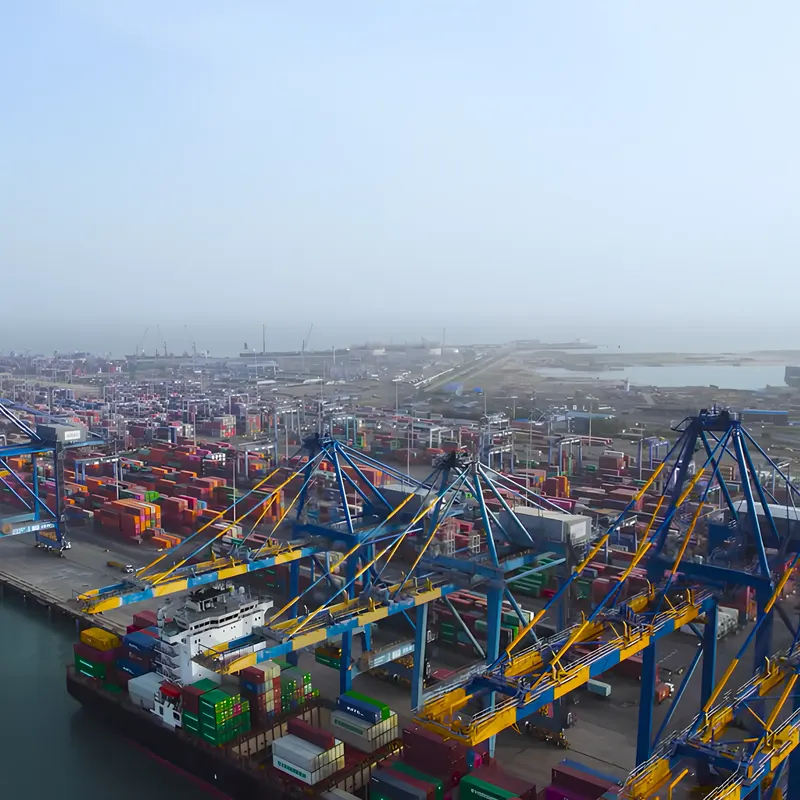
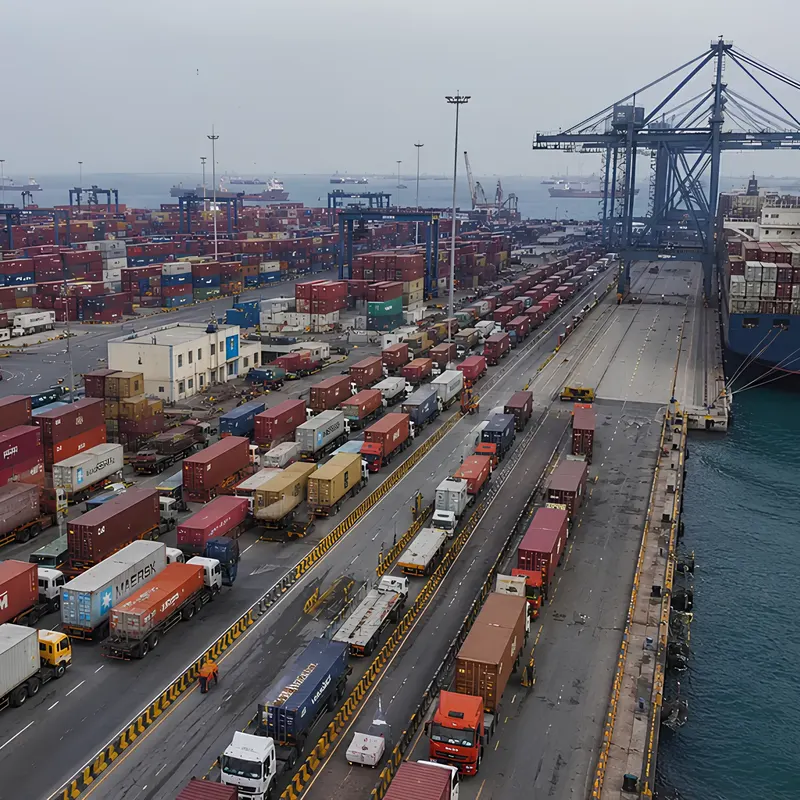
Which ports do textile exporters use?
Hazira for Surat, Mundra and Nhava Sheva for more sailings, and ICD Ahmedabad for inland clearance.

Trade lanes
Where do Gujarat textiles go?
Common textile lanes out of Mundra, with typical sailing times.
Related services
What is usually booked with textile exports?
Which port should Surat textile exporters use?
Hazira is the closest port to Surat and saves trucking time. Mundra and Nhava Sheva have more sailings on some lanes, so we compare the three on every order and book the one that meets the buyer's date.
Should textiles go FCL or LCL?
Full containers suit orders that fill most of a 40ft box; smaller orders usually go LCL, charged by volume. Because textiles are light and bulky, space rather than weight decides, so we price both options.
Can a certificate of origin reduce the buyer's duty?
Often, yes. Under trade agreements and preference schemes, a valid certificate of origin can lower or remove the import duty the buyer pays. We check which applies to your destination.
Which export incentives can textile exporters claim?
Eligible textile and apparel exports can claim schemes such as RoSCTL and RoDTEP, declared on the shipping bill. Rates and eligibility change, so we confirm them for your product when filing.
How do I stop garments getting damp?
Poly-lined cartons, desiccants in the container and dry cargo at stuffing. Condensation on long voyages causes mould and staining, which is the most common textile claim.
Can garments ship on hangers?
Yes. Garments on hangers can move in containers fitted with rails, so they arrive press-ready. It costs more than cartons, so it suits higher-value fashion orders.
Can I clear textile exports inland at Ahmedabad?
Yes. Ahmedabad exporters can clear at ICD Ahmedabad and move the sealed container to Mundra, Pipavav or Nhava Sheva, keeping examinations close to the factory.
How long does shipping to the UAE take?
Typical sailing time from Mundra to the UAE is about 4 days, to East Africa about 18 and to West Africa about 29. These are typical times, not guarantees.