

NVOCC & Consolidation
LCL · Groupage · NVOCC
What is an NVOCC, and how does consolidation work?
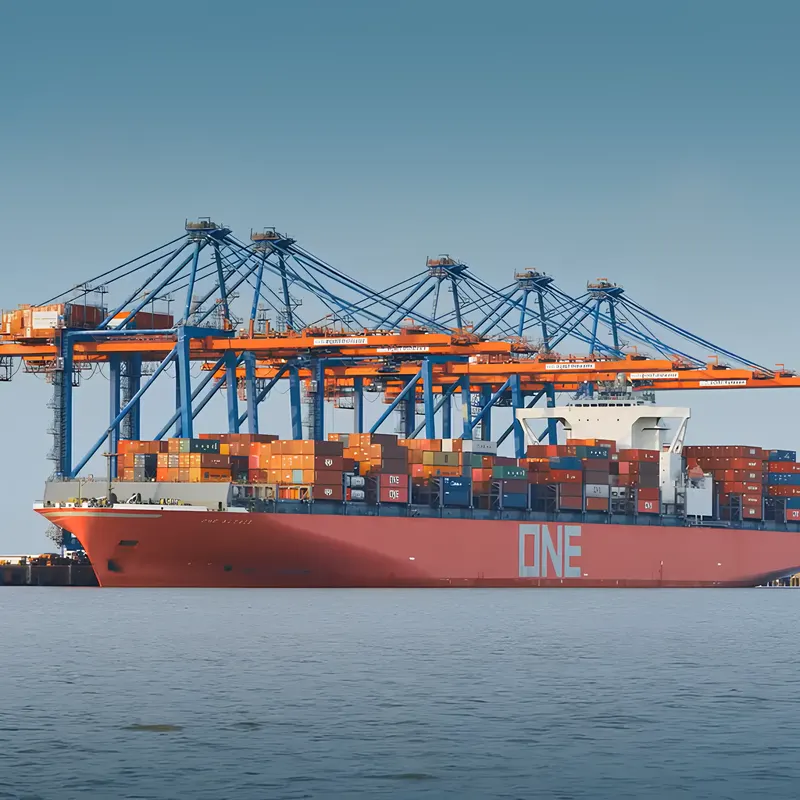
An NVOCC (non-vessel operating common carrier) books container space on a shipping line and issues its own house bill of lading to each shipper. Consolidation uses that to group several small shipments into one container, so each shipper pays only for the cubic metres they use instead of a full box.
You deliver cargo to the CFS, we file the shipping bill, and it sails in a shared container to the destination CFS, where it is unpacked for your buyer. It suits first orders, samples and regular small consignments.

- Charged on
- Per CBM or per tonne, whichever is higher (W/M)
- Suits
- Shipments below about 13 CBM
- Document
- House bill of lading for your part of the container
- Handled at
- CFS at origin and destination
What's included
What is included in LCL consolidation?
Everything a full-container shipper gets, sized to a part load.
Volume and rate
Your cargo measured in CBM and priced on weight or measure, whichever is higher.
Delivery to the CFS
Collected from your factory and delivered to the consolidation CFS.
Customs clearance
Shipping bill filed for your cargo within the shared container.
Consolidation
Your cargo stuffed with compatible cargo from other shippers.
House bill of lading
Issued for your part of the container, naming your buyer.
Destination CFS
Unpacked at the destination CFS and released to the consignee.
Process
How does an LCL shipment move?
A consolidated container sails on a fixed schedule, so cargo has to reach the CFS before the cut-off.
- Filed and followed by one team
- Attended at the port
- Clearance desk open 24 hours
-
01
LCL export
Quote on volume
Dimensions and weight give the chargeable CBM.
-
02
LCL export
Booking
Space reserved on the next consolidation sailing.
-
03
LCL export
Cargo to the CFS
Delivered before the CFS cut-off.
-
04
LCL export
Shipping bill and examination
Filed and, if selected, examined at the CFS.
-
05
LCL export
Stuffing
Loaded into the shared container and sealed.
-
06
LCL export
Sailing and house B/L
The container sails; your house B/L is issued.
-
07
LCL export
Destination release
Unpacked at the destination CFS for your buyer.
Documents
What documents are needed for an LCL shipment?
The same as a full container, plus accurate dimensions, because volume sets the price.
Not sure what you have? Send photos of your documents on WhatsApp for a first check.
Send on WhatsApp| Document | Required | Notes |
|---|---|---|
| Commercial invoice | Yes | Value, currency and incoterm |
| Packing list with dimensions | Yes | Length, width, height and weight of every package |
| Shipping bill | Yes | Filed by us on ICEGATE |
| IEC and GSTIN | Yes | Exporter registration |
| Booking confirmation | Yes | With the CFS cut-off date |
| Consignee details | Yes | Name and address for the house bill of lading |
| MSDS | If hazardous | Many consolidators refuse DG cargo, so check first |
Requirements change with the commodity and the rules in force, so we confirm the list for your consignment with every quote.
Quote
Get a quote for NVOCC & Consolidation
Rates and the document list for your consignment, back within 24 hours.
- A team at the port, in Gandhidham
- Clearance desk open 24 hours
- Document list with every quote
Bills of lading
What is the difference between a house B/L and a master B/L?
Consolidated cargo travels on two bills of lading at once.
| Master bill of lading (MBL) | House bill of lading (HBL) | |
|---|---|---|
| Issued by | The shipping line | The NVOCC or consolidator |
| Issued to | The NVOCC, for the whole container | Each shipper, for their part |
| Covers | The full container | One shipper's cargo |
| Used by your buyer to | Not used directly | Take delivery at the destination CFS |
Ports
Where do consolidated containers sail from?
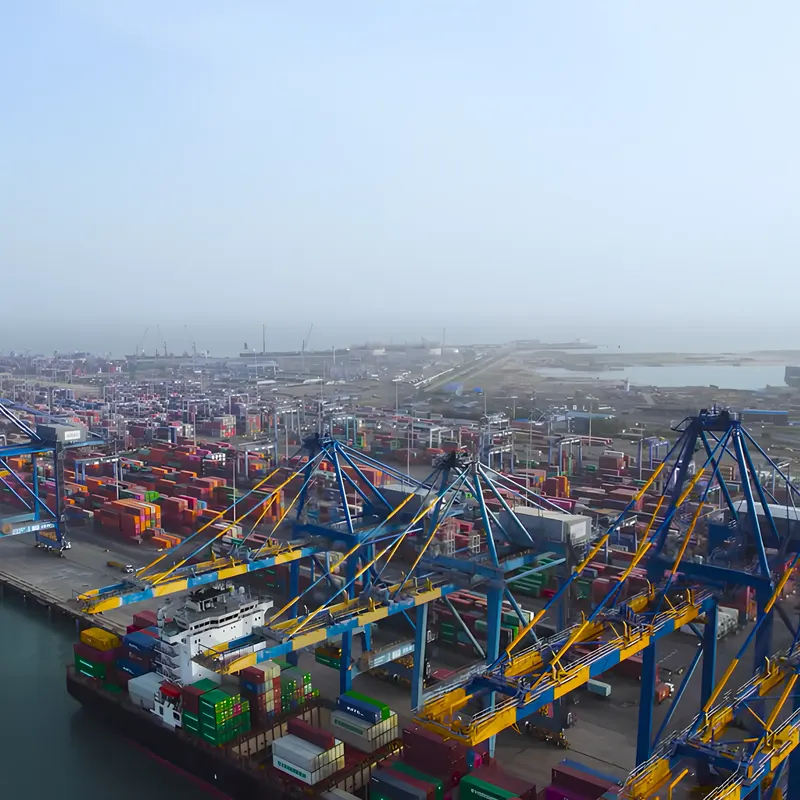
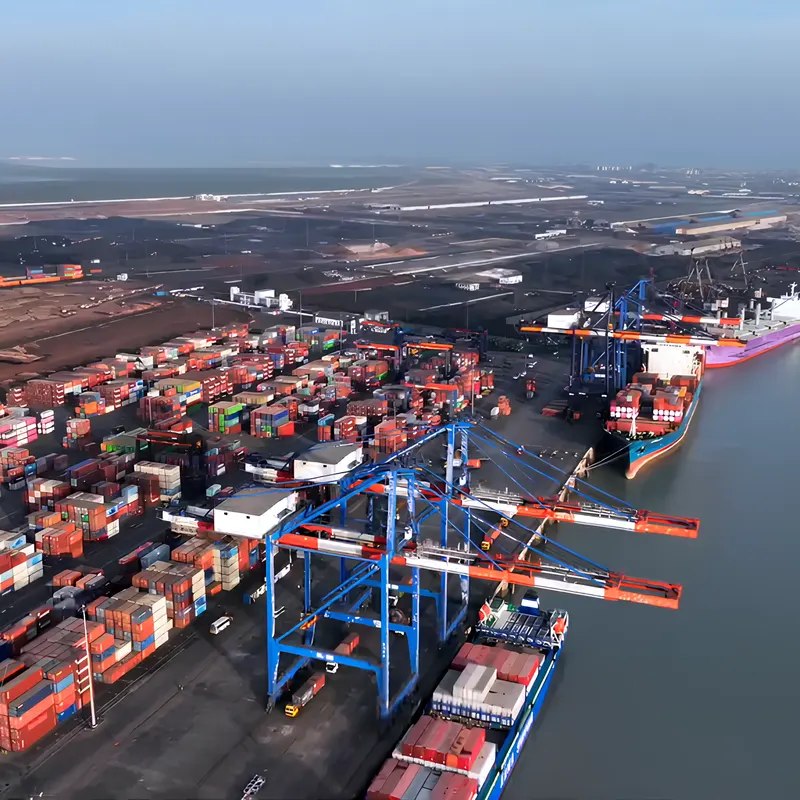
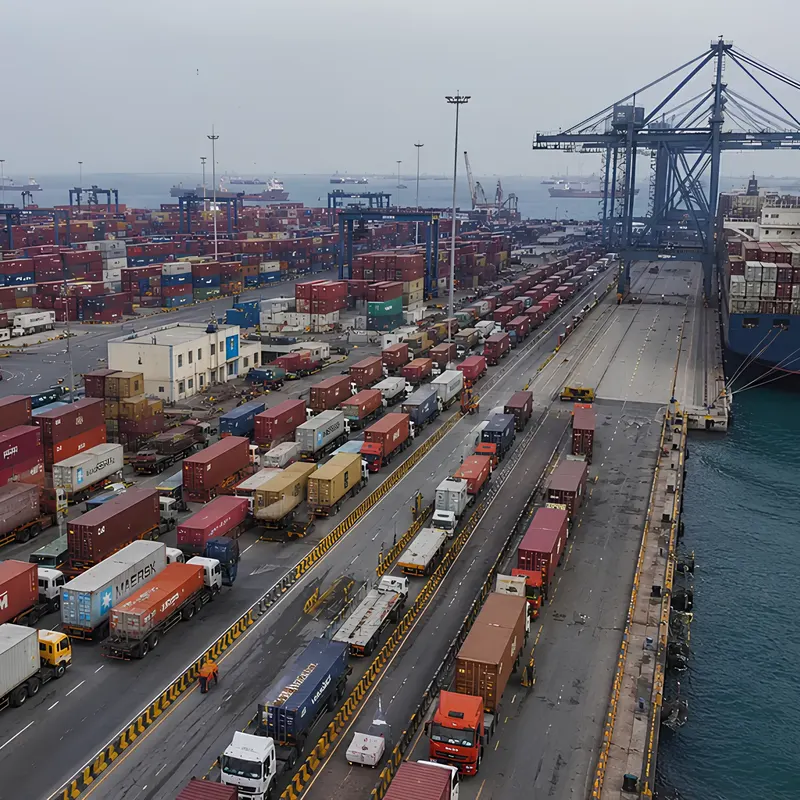
Consolidation runs from the ports with regular LCL sailings to your destination.
Industries
Who ships LCL with us?
First orders, samples and steady small consignments.


Related services
What is usually booked with consolidation?
What does NVOCC stand for?
NVOCC stands for non-vessel operating common carrier: a carrier that does not own ships but books space on them and issues its own house bills of lading to shippers. It lets small shippers move cargo in a shared container under their own document.
How is LCL freight charged?
LCL is charged on weight or measure, whichever is higher: usually per cubic metre, or per 1,000 kg if the cargo is dense. CFS handling and documentation are charged on top. We show every part in the quote.
Is LCL slower than FCL?
Usually by a few days. The cargo has to reach the origin CFS before the cut-off, be consolidated, sail, and then be unpacked at the destination CFS. The sailing itself is often the same vessel an FCL container would take.
What is a house bill of lading?
A house bill of lading is issued by the NVOCC or consolidator to one shipper for their part of a shared container. The buyer presents it at the destination CFS to take delivery. The shipping line issues a master bill of lading for the whole container.
When should I switch from LCL to FCL?
Once your shipments reach about 13–15 CBM, a full 20ft container usually costs about the same or less than LCL and moves faster, with less handling. We compare both each time your volume changes.
Can one delayed shipper hold up my cargo?
It can. If another shipper's cargo in the same container is held by customs, the whole container can wait. Checking documents before the cut-off and using consolidators with clean records keeps that risk low.
Can hazardous cargo be consolidated?
Only with a consolidator that accepts it, and many do not. Hazardous cargo needs an MSDS, correct packing and labels, and must be compatible with the other cargo in the container. Tell us before booking so we can find a sailing that takes it.
What is the minimum size for an LCL shipment?
Most consolidators charge a minimum of 1 CBM, so even a single carton is billed as one cubic metre. Below that, courier or air freight is often cheaper. We compare the options when a shipment is very small.